
Last updated: October 21, 2026
The quick answer
The US Federal Trade Commission says people aged 60 and older reported losing about $3 billion to fraud in 2025, roughly five times the 2020 figure, and investment scams alone accounted for more than $1 billion. Many of these scams start on social media and end with a bank transfer or cryptocurrency payment, so the best protection is slowing down, verifying independently and never moving money because a stranger online or on the phone tells you to.
What happened
On October 19, the FTC sent Congress its annual report on protecting older consumers. It combines a year of enforcement work with fraud reports filed in the agency’s Consumer Sentinel database during 2025. The headline numbers were quickly picked up by Gizmodo, CNET and other outlets. Because most victims never report, the FTC estimates the real cost to older adults could be as high as $119.5 billion.
| Finding (adults 60+, 2025) | What the FTC reported |
|---|---|
| Total reported losses | About $3 billion, up from about $600 million in 2020 |
| Costliest scam type | Investment scams: over $1 billion, up 42% from 2024 |
| Very large losses | Reports over $100,000 were 6% of loss reports but about 70% of the money lost |
| People 80 and older | Median loss of $2,000, the highest of any age group |
| Payment method with the biggest losses | Bank transfers, at over $1 billion |
| Higher risk than younger adults | Much more likely to report losing money to tech support and romance scams |
What changes for you
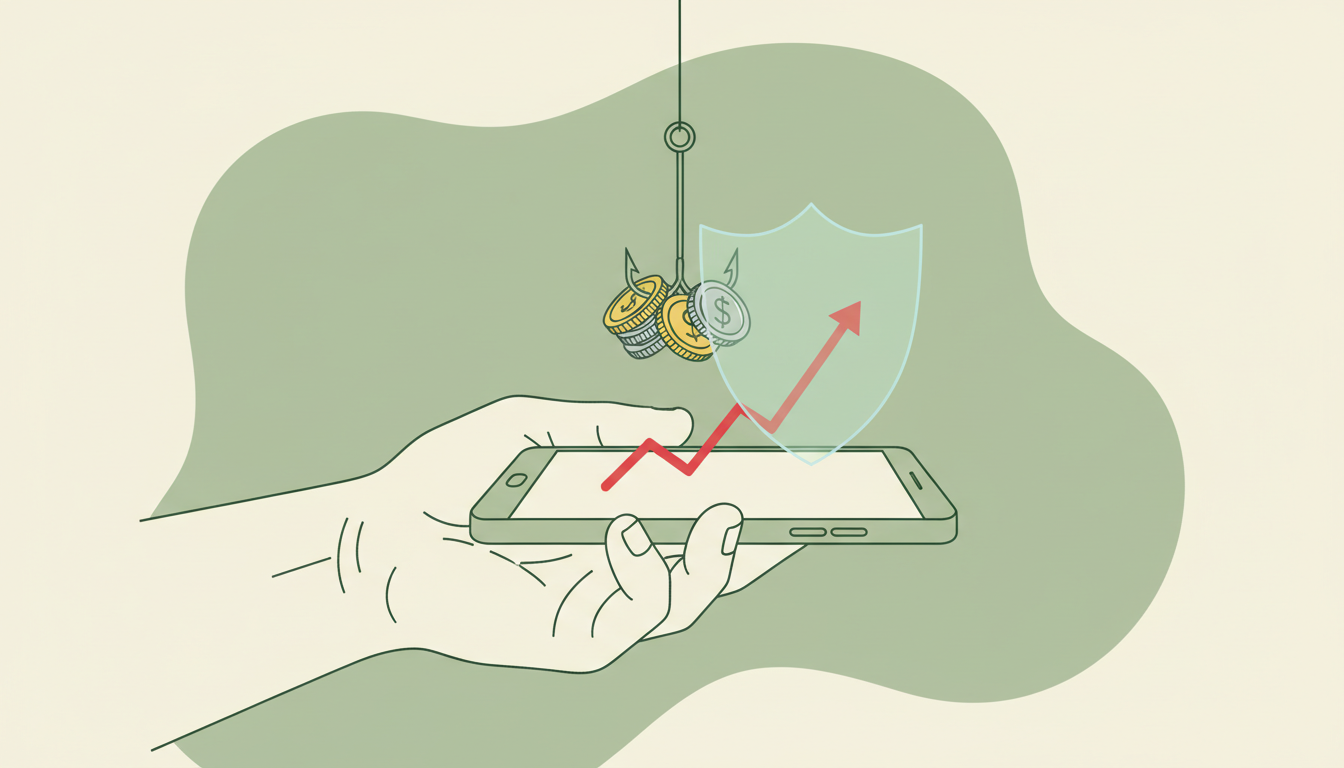
The report doesn’t create new rules, but it shows clearly where the danger is. The typical big loss is no longer a single fake invoice. It is a slow investment scam: someone befriends the victim online, shows a professional-looking trading app or website with impressive “profits,” and encourages bigger deposits over weeks or months. By the time the victim tries to withdraw, the money is gone.
Impersonation is the other big theme. Scammers pose as government agencies, banks or well-known companies and claim your money is at risk. The FTC’s “Never Ever” campaign sums up the rule: a real government agency will never tell you to move money to protect it, keep a conversation secret or pay for a grant.
Red flags of an investment scam
- A new online friend, match or “mentor” brings up investing, often crypto or gold.
- Guaranteed or unusually high returns with “no risk.”
- Pressure to act fast or keep the opportunity secret from family or your bank.
- Instructions to install a specific app or use a website you can’t find through official app stores or regulators.
- Fees or “taxes” demanded before you can withdraw your own money.
Practical steps for families
- Talk about it before it happens. Share the red flags above without judgment. People are more likely to ask for help if they don’t fear being scolded.
- Agree on a “pause and call” rule. Any request to move money, buy gift cards or send crypto gets a call to a trusted family member first, using a number you already know.
- Add a trusted contact at the bank. Many banks and brokerages let you name someone they can contact if they spot unusual activity. Ask your bank how it works.
- Lock down devices. Turn on scam protections in the browser and phone. Our guides cover Chrome’s new scam warnings and Android’s scam protections in Google Messages.
- Act fast if money is gone. Contact the bank or payment service immediately, report at ReportFraud.ftc.gov, and file with the FBI’s IC3 for online fraud. Older adults can call the Justice Department’s National Elder Fraud Hotline at 1-833-372-8311 (833-FRAUD-11) for help with next steps.
Text-message and voice scams are part of the same picture. See our guide to spotting toll, package and tax scams and the FBI’s warning about election-season scams that use AI voices.
Who is affected, and who isn’t
Most relevant to: adults over 60 in the US, their adult children and caregivers, and anyone who helps an older relative with phones, email or money. The figures come from US reports, but the same scam scripts circulate worldwide, so the advice applies wherever you live.
Not just older people: the FTC received over 3 million fraud reports across all ages in 2025. The same scams target every age group; what stands out for older adults is the size of the losses, especially among people 80 and older.
FAQ
Can stolen money be recovered?
Sometimes, especially if you act within hours. Banks can occasionally stop or recall a transfer, and card payments have dispute rights. Crypto and cash are much harder to get back, which is one reason scammers prefer them.
Is it worth reporting a small loss or a failed attempt?
Yes. Reports feed the database investigators and the FTC use to spot trends and bring cases. Reporting takes a few minutes at ReportFraud.ftc.gov.
Should I trust a service that promises to recover lost money?
After a loss, victims are often contacted by people promising to get the money back for an upfront fee. That is usually a second scam. Work only with your bank, law enforcement or a lawyer you choose yourself.
Sources
- FTC: FTC Issues Annual Report to Congress on Agency’s Actions to Protect Older Adults
- FTC: Protecting Older Consumers 2025-2026 (PDF)
- Gizmodo: New data show how much worse scams are getting for Americans over 60
- PPC Land: Older Americans lost $3 billion to fraud in 2025, FTC tells Congress
- Office for Victims of Crime: National Elder Fraud Hotline


Leave a Reply